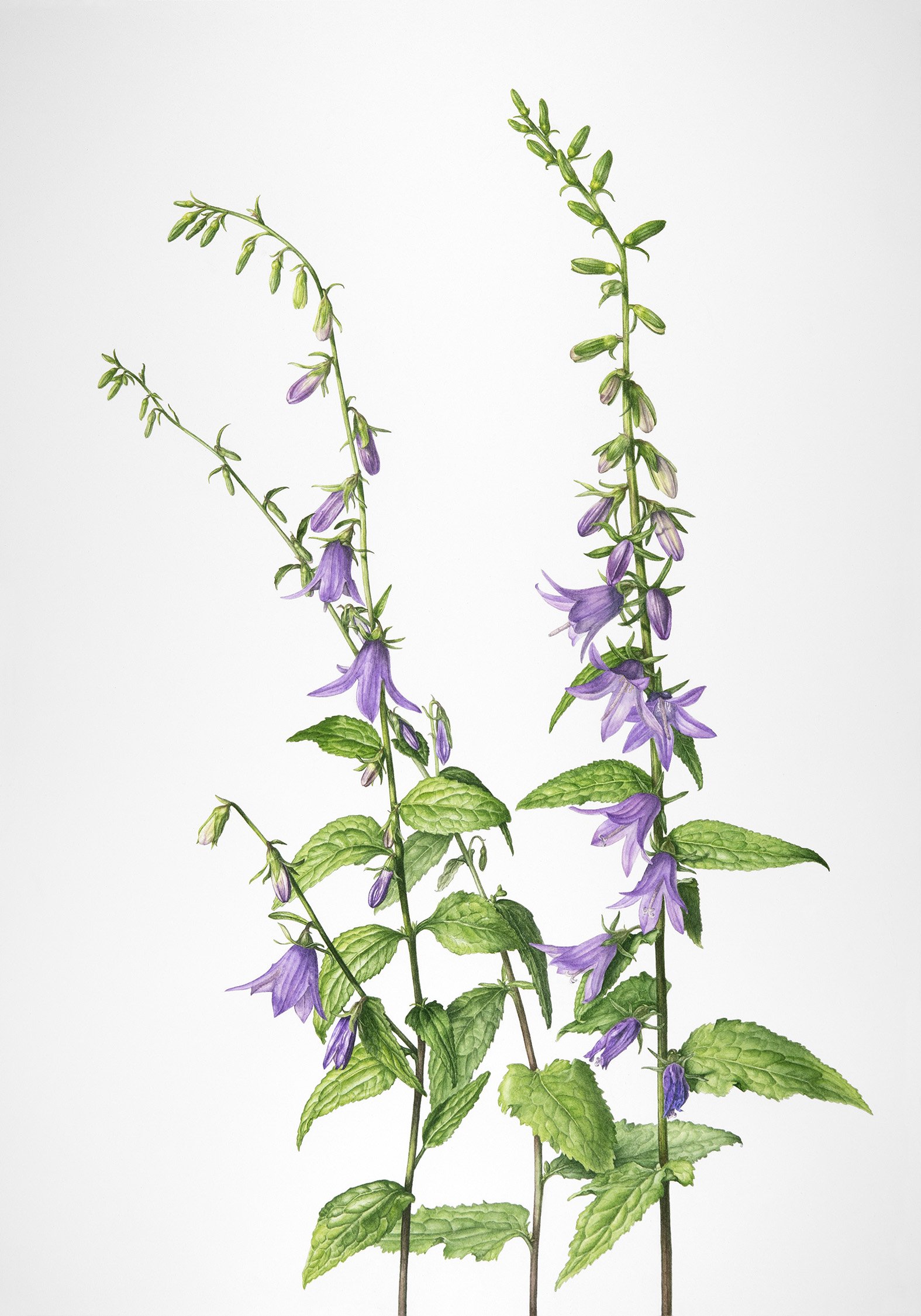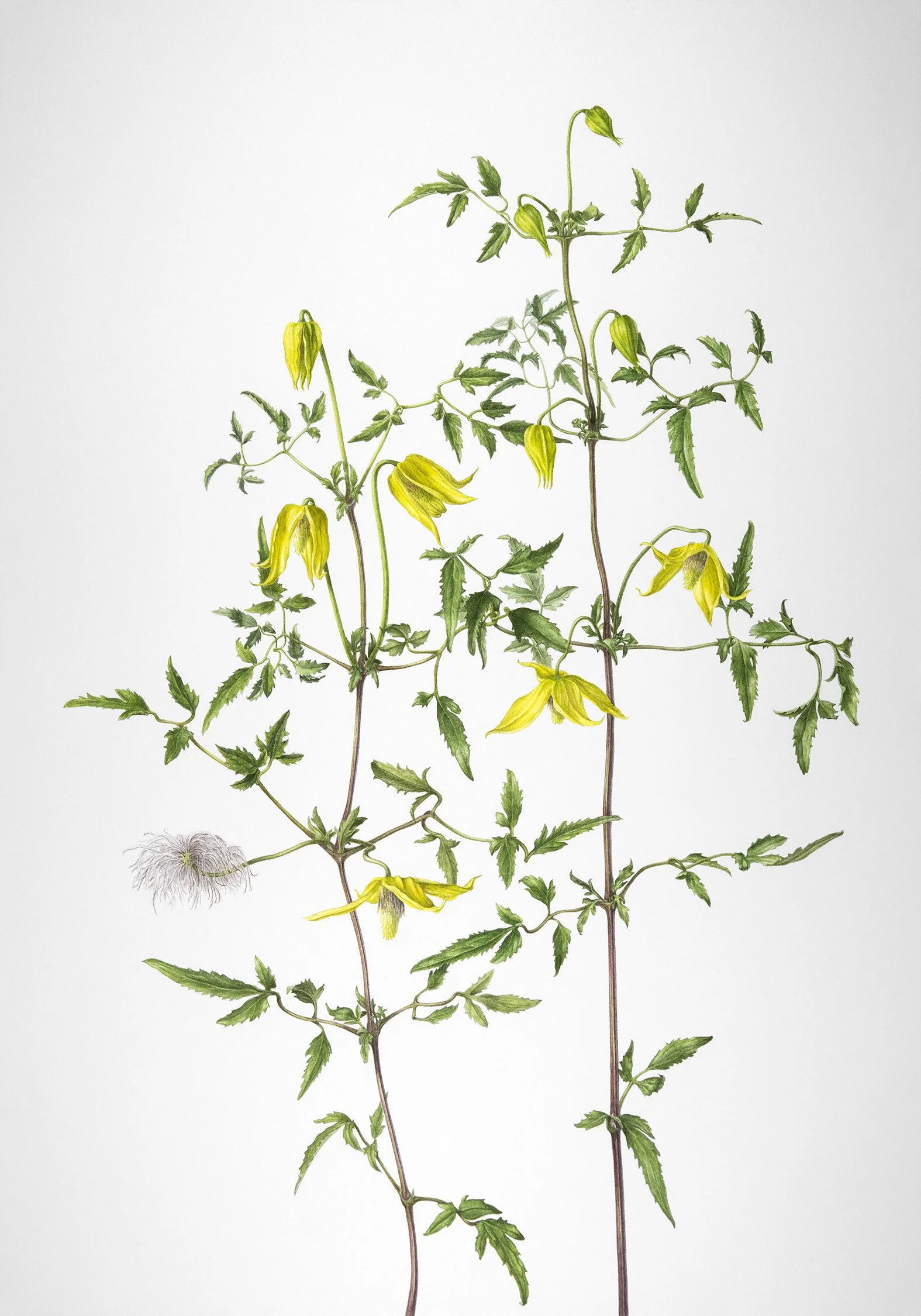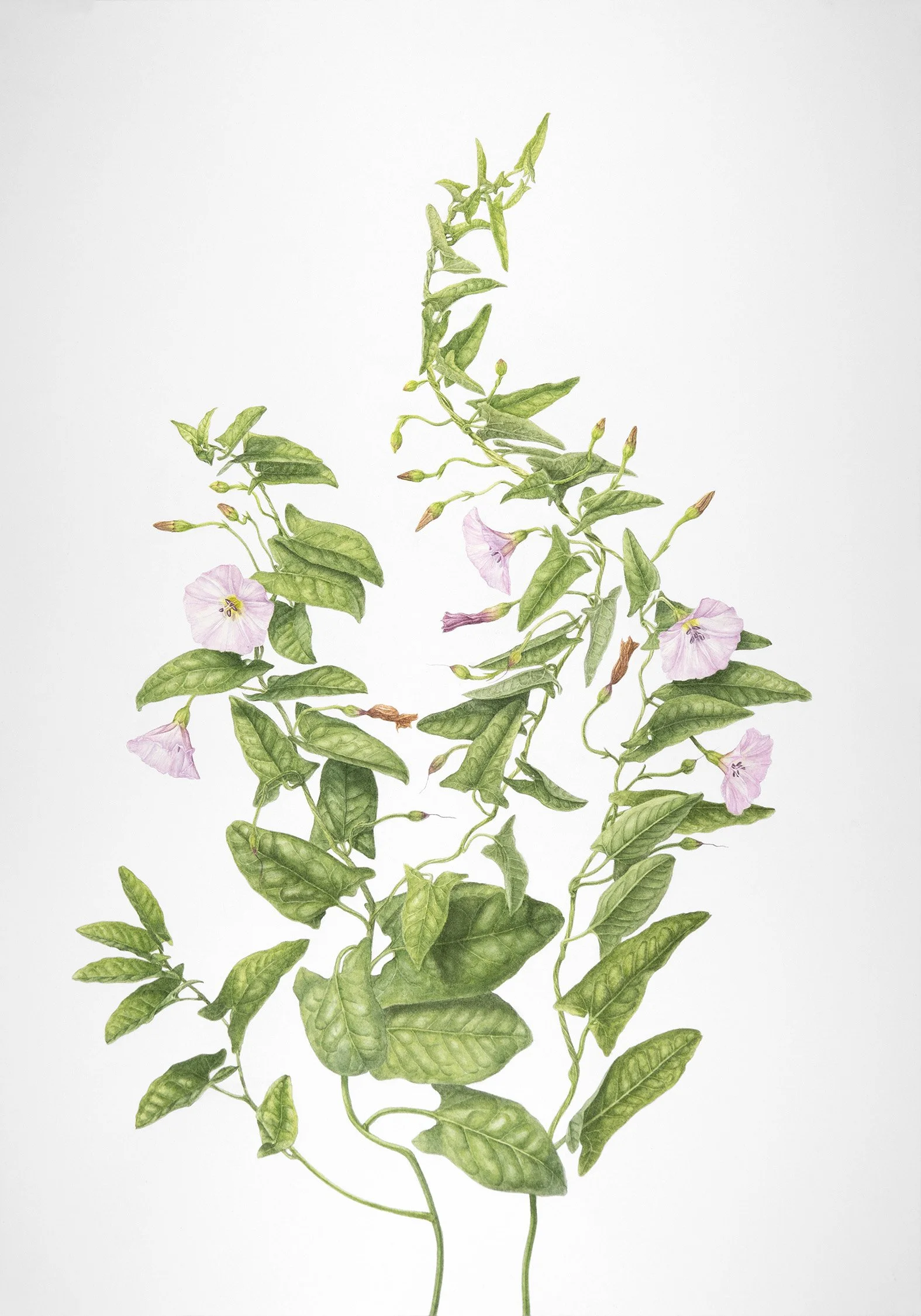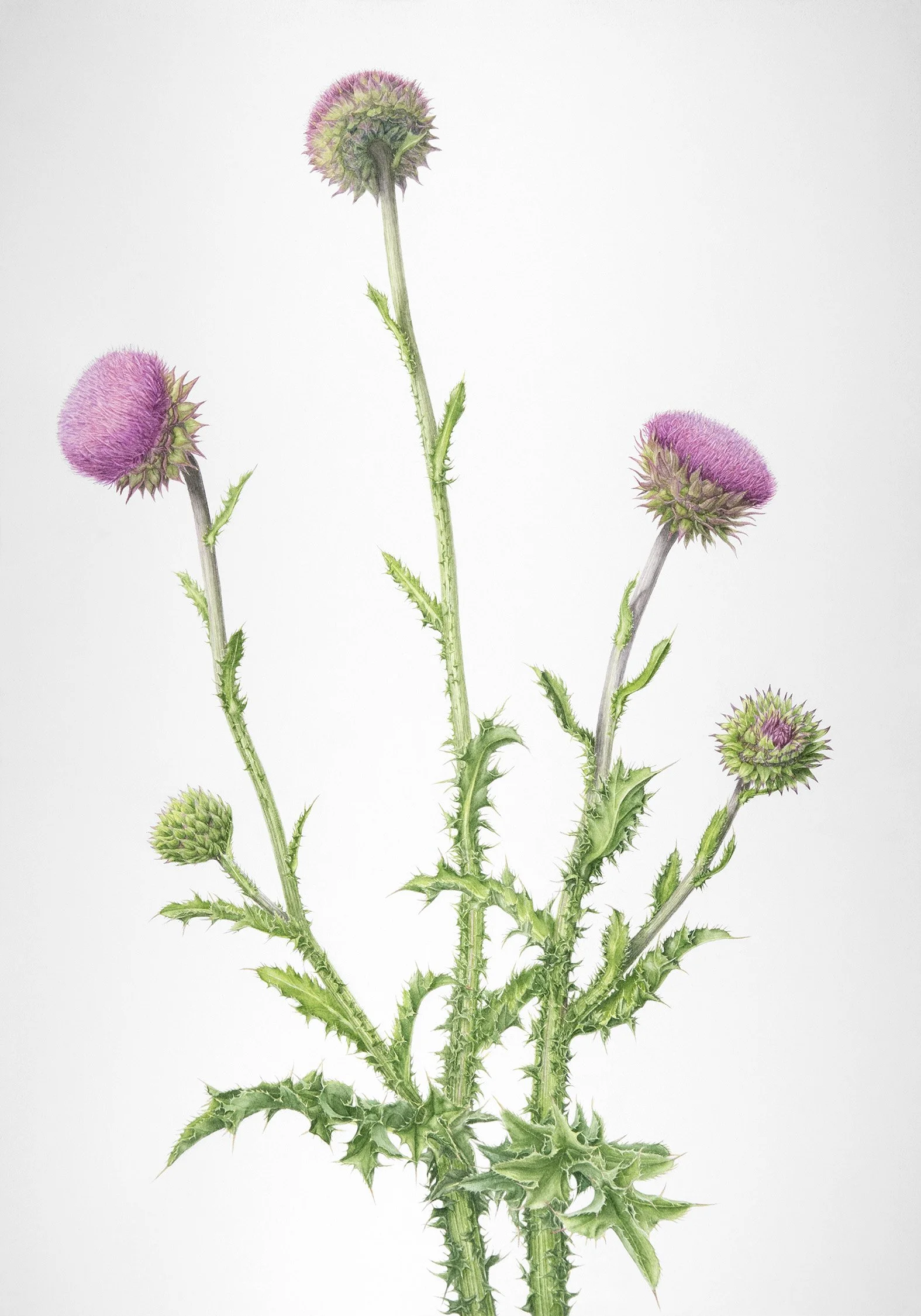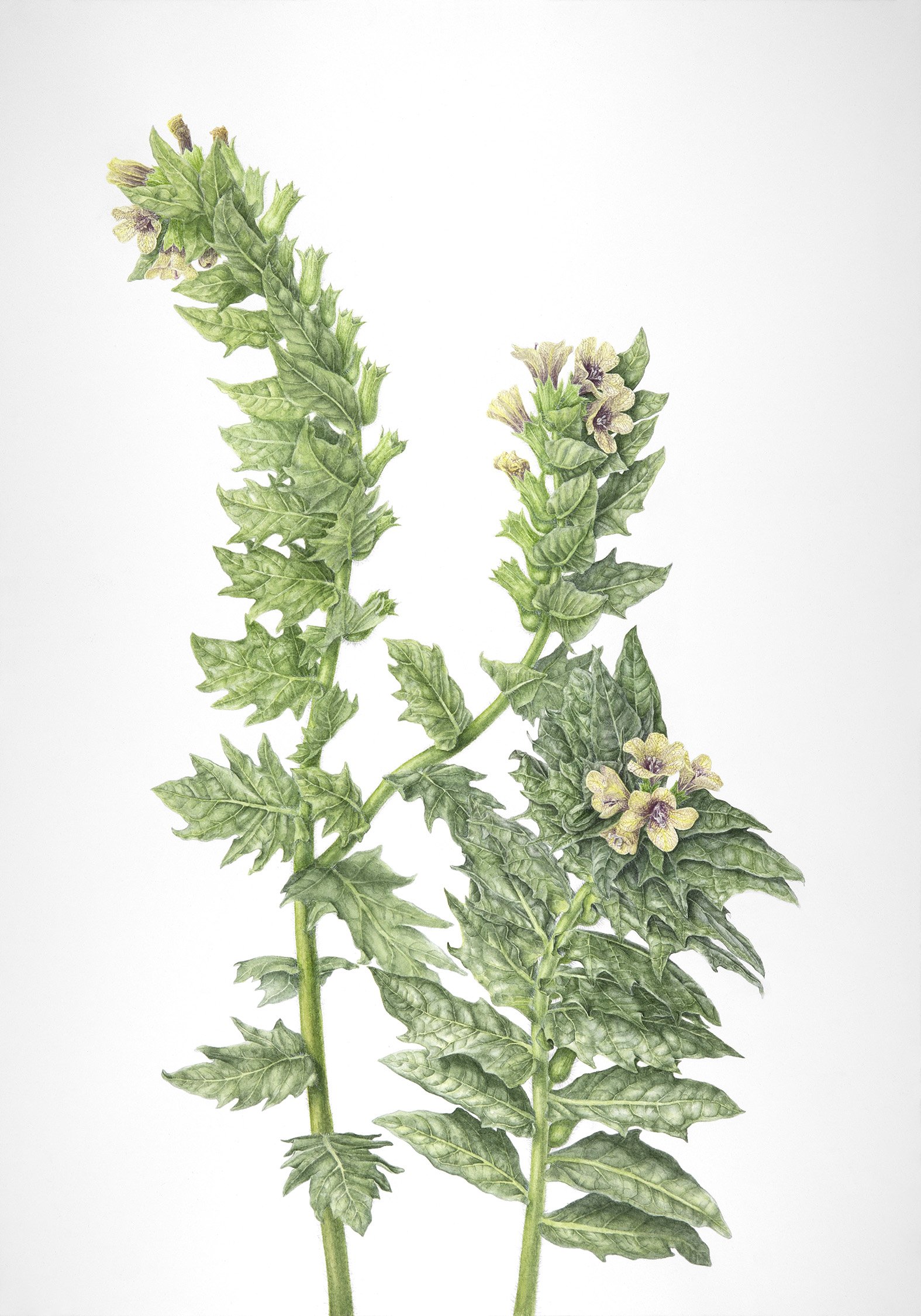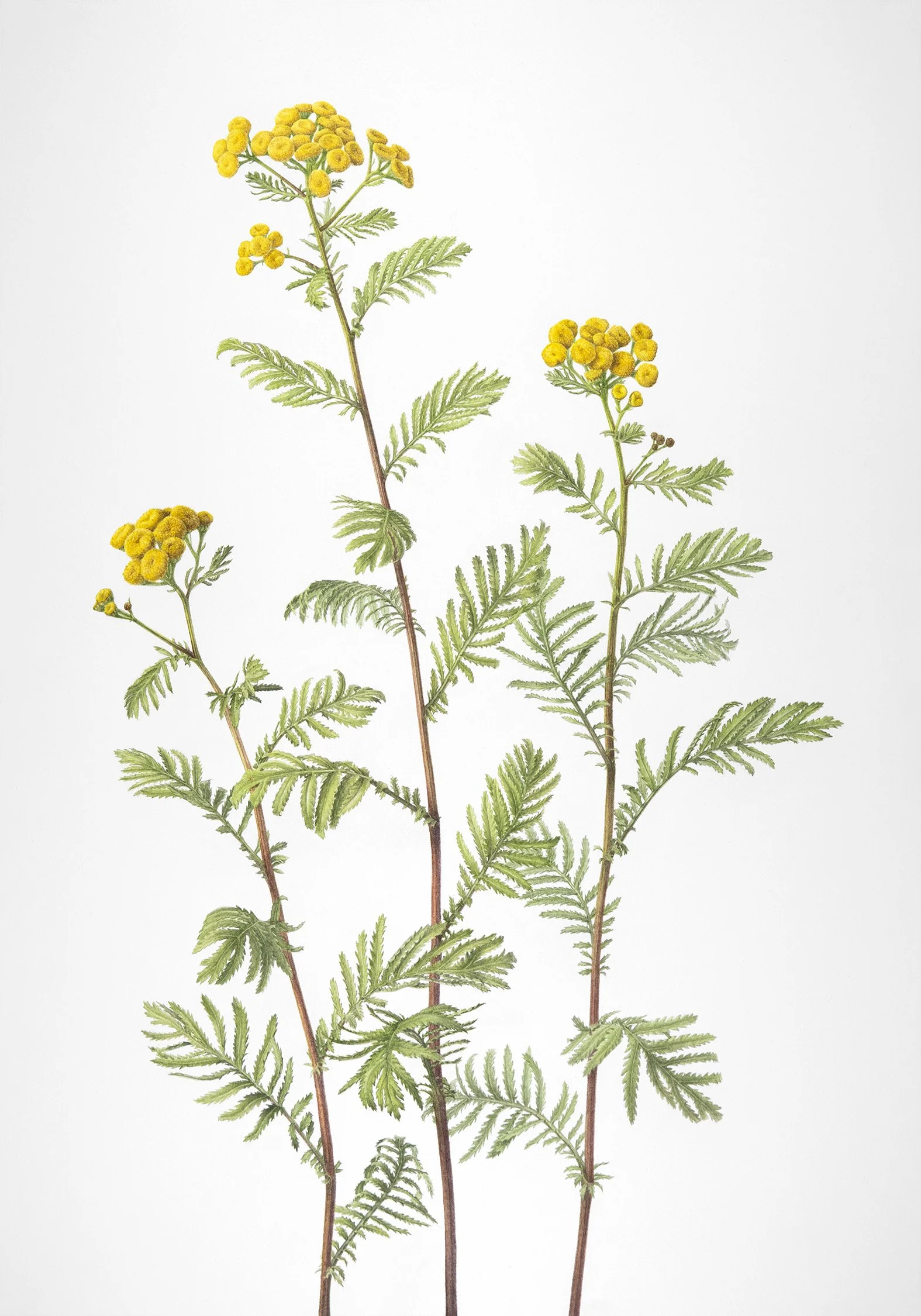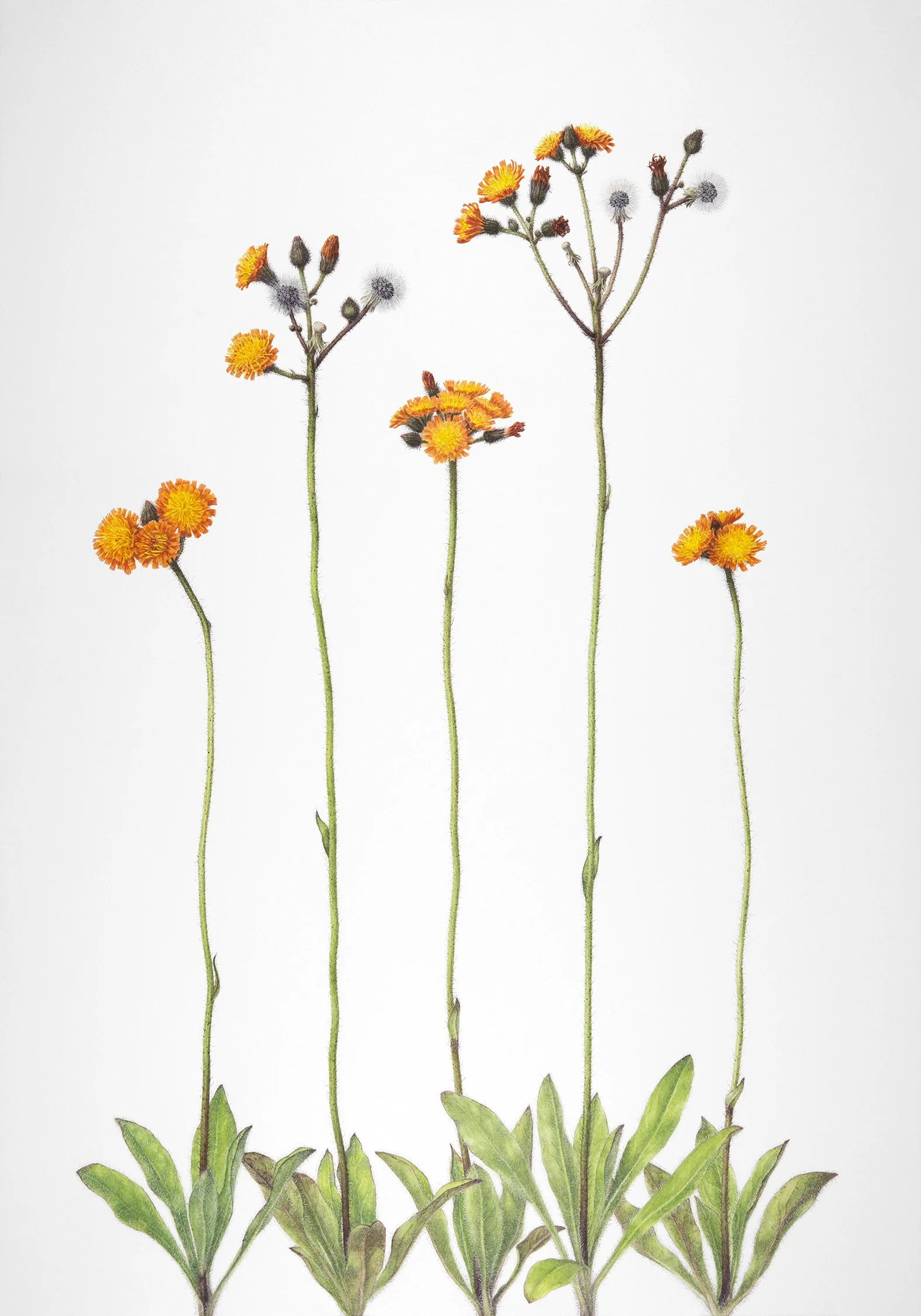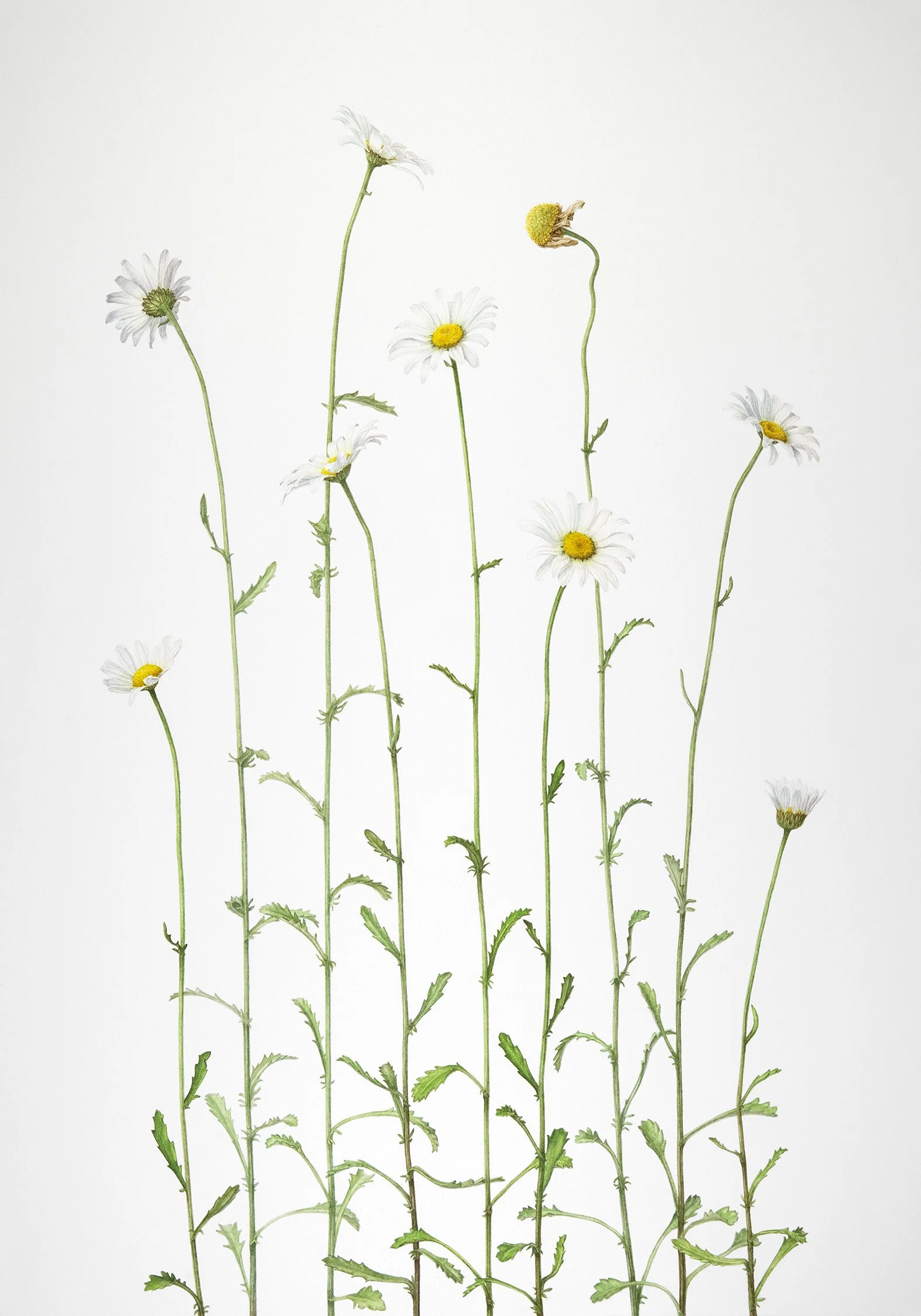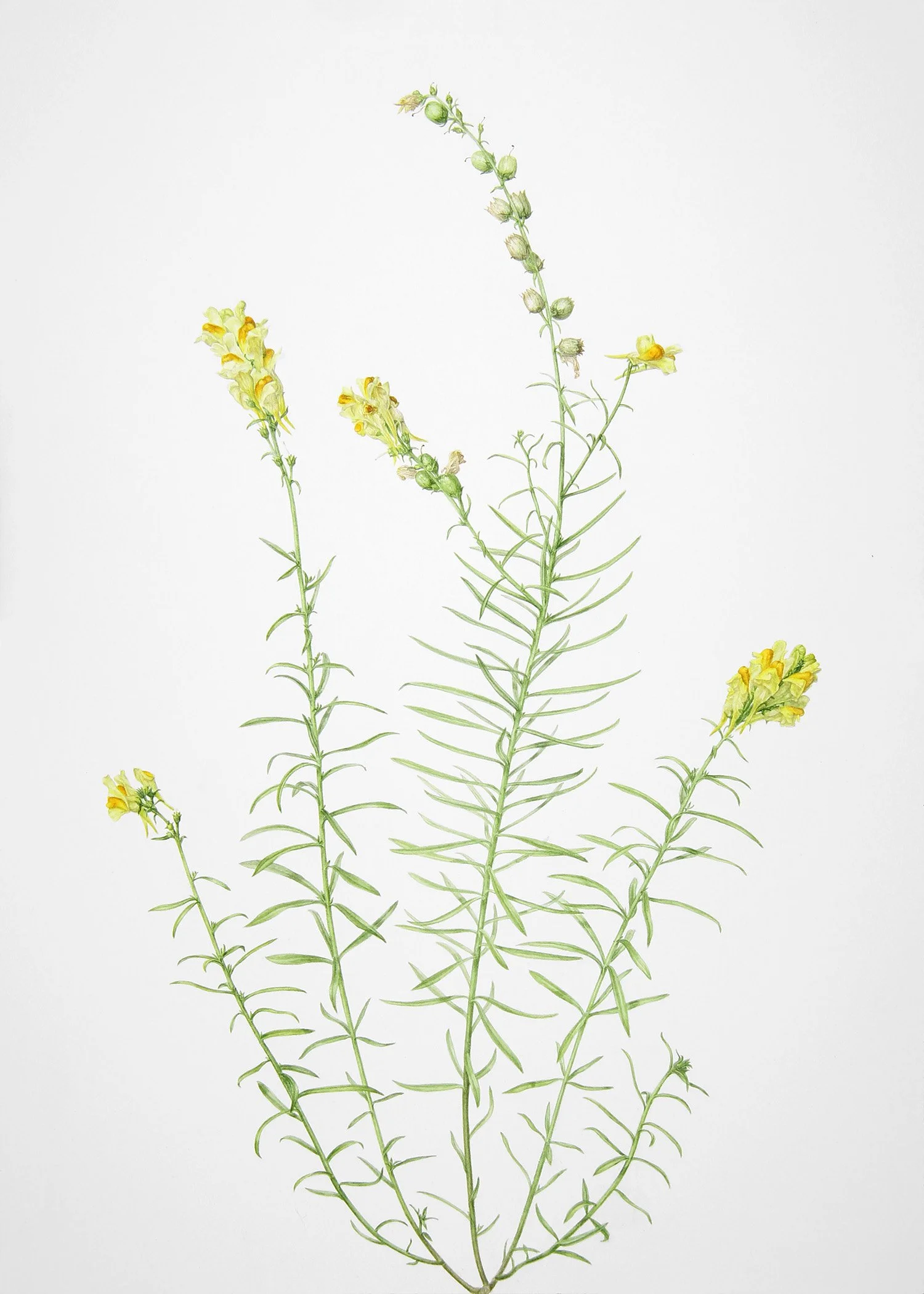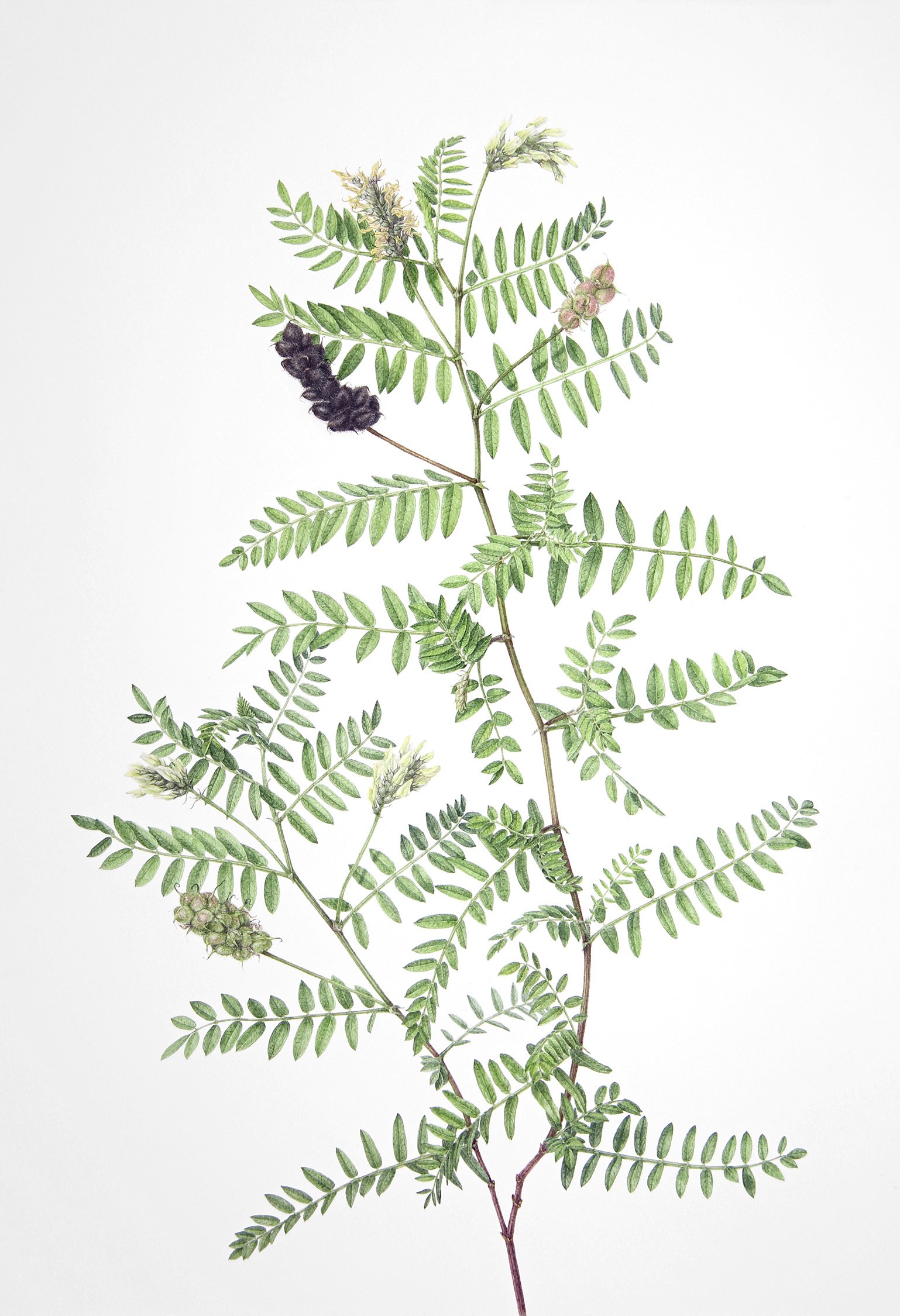
What is a weed? A plant whose virtues have not yet been discovered.
― Ralph Waldo Emerson, Fortune of the Republic (1878)
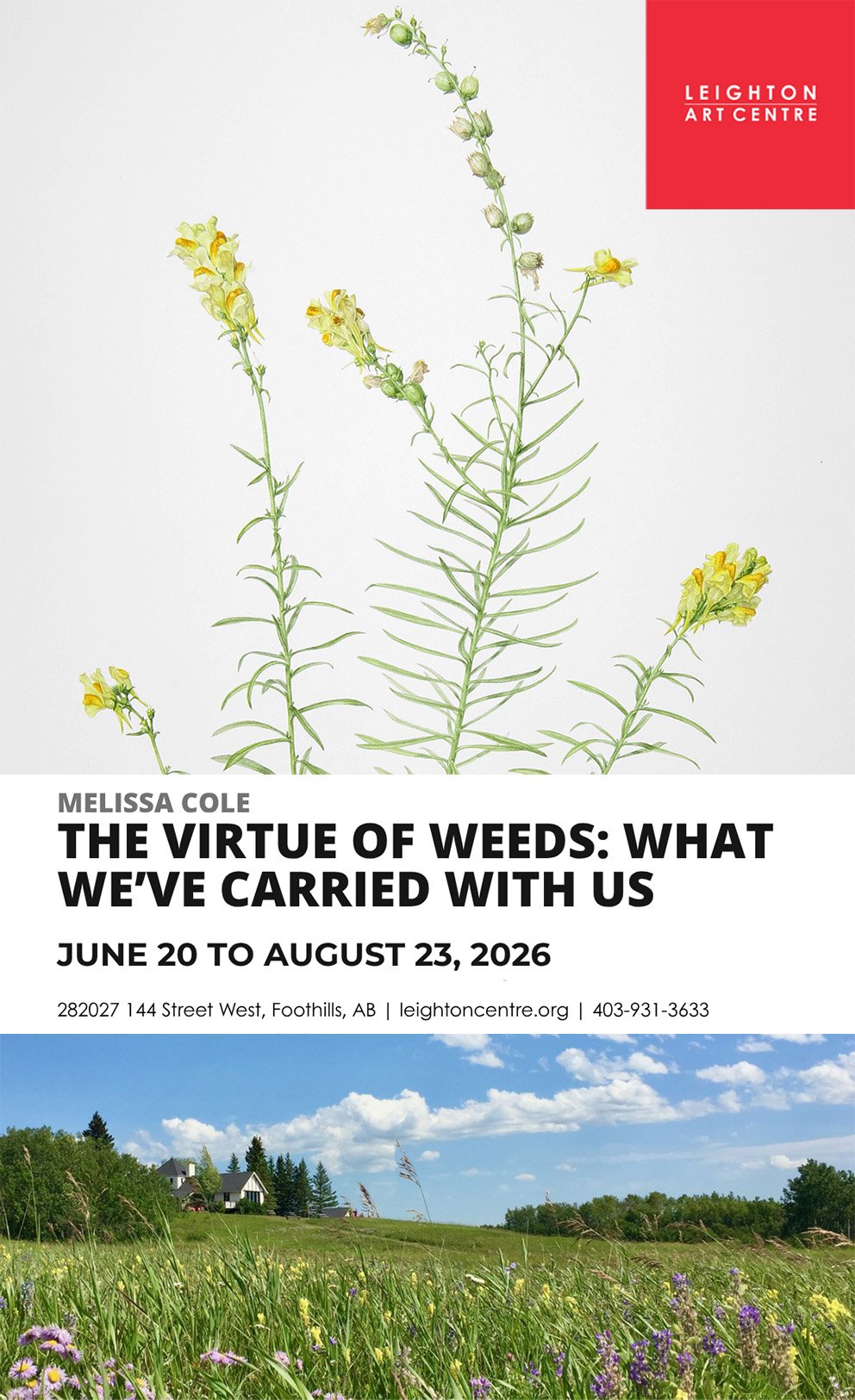
While busy loathing weeds, we rarely reflect upon how or why they came to be a problem. The Virtue of Weeds: What We’ve Carried With Us explores the complex relationship between humans and invasive plants.
Plants reproduce in various ways—by creeping root systems or spreading seeds by wind, through water and soil, or in the bellies of animals. However, we often overlook the fact that plants most often end up where they are not supposed to be due to human activity. Through the vast movement of people across North America over the past several centuries, plants have gained the ability to spread faster and farther afield than they ever could on their own.
European colonization marked one of the earliest large-scale introductions of “alien,” or non-native, plant species to North America. Seeds arrived in the ballast of ships, as contaminants in seed intended for agriculture, and as medicinal or ornamental varieties planted by settlers. Once colonial expansion was established along the eastern coast in the seventeenth and eighteenth centuries, weeds were given new opportunities to spread inland. Early settlers moving west carried seeds with them— intentionally or not. Later, construction of railways and vast highway systems accelerated dispersal across even greater distances.
We continue to carry seeds with us today. Seeds become lodged in hikers’ shoes and in the tires of off-road vehicles. They travel through international trade in packing materials, as contaminants in other seeds and hay, and with livestock feed. Nurseries and garden centres unwittingly sell plants and wildflower seed mixes that, when sold in the wrong climate—or from the plant’s perspective, exactly the right one—rapidly escape gardens to become widespread problems.
Without human intervention, most invasive plants would never have become a threat to native ecosystems nor an inconvenience to us. Humans have long invaded and colonized land that is not their own, leaving changed landscapes and lasting scars behind. We continue to reshape the land we inhabit, rarely considering the impact that one small act—or one small seed—can have on the plants, animals and people already rooted there.
This exhibition considers how human activity has shaped the movement and proliferation of these plants, and how our relationship with them reflects larger histories of colonization and environmental change. By tracing the journeys of familiar weeds and examining both their virtues and their consequences, the work invites viewers to reconsider the plants we overlook or condemn.